Dental Implant Recovery Timeline: What Happens After Placement
Dental Implant Recovery, Day by Day: What to Expect After Placement
You've decided to move forward with a dental implant, or you're seriously considering one, and now you're wondering what recovery will actually feel like. How uncomfortable will the first few days be? When can you return to work, exercise, and your usual meals? And why does the final crown sometimes take months when your mouth may feel normal much sooner?
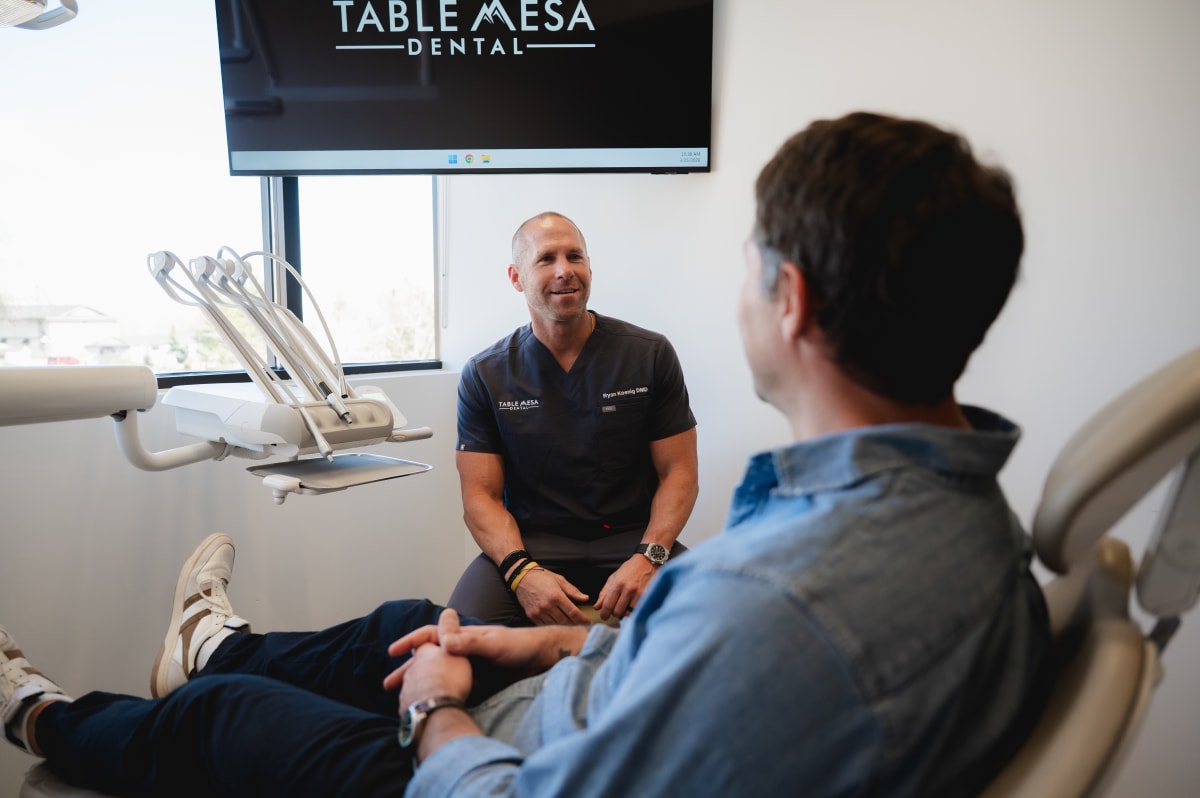
These are important questions to ask before treatment. At Table Mesa Dental in Boulder, CO, Dr. Ryan Koenig and our team help patients understand each stage of the healing process, including what to expect at home, how to care for the surgical area, and when to contact us with concerns.
While recovery varies depending on your procedure and overall health, the following guide offers a practical overview of what the healing process may look like.
Quick Takeaways
- Mild bleeding, tenderness, and swelling can occur during the first 24 to 48 hours following implant placement.
- Many patients notice gradual improvement over the first week, although recovery varies with the extent of surgery.
- Initial gum healing happens much sooner than osseointegration, the process through which bone integrates with the implant surface.
- Osseointegration commonly takes several months, even when the surgical area already feels comfortable.
- Following your postoperative instructions, protecting the implant site, and attending scheduled follow-ups are essential parts of recovery.
- Increasing pain, worsening swelling, fever, persistent bleeding, or unusual discharge should be reported to your dental team.
The First 24 Hours: Protecting the Surgical Site
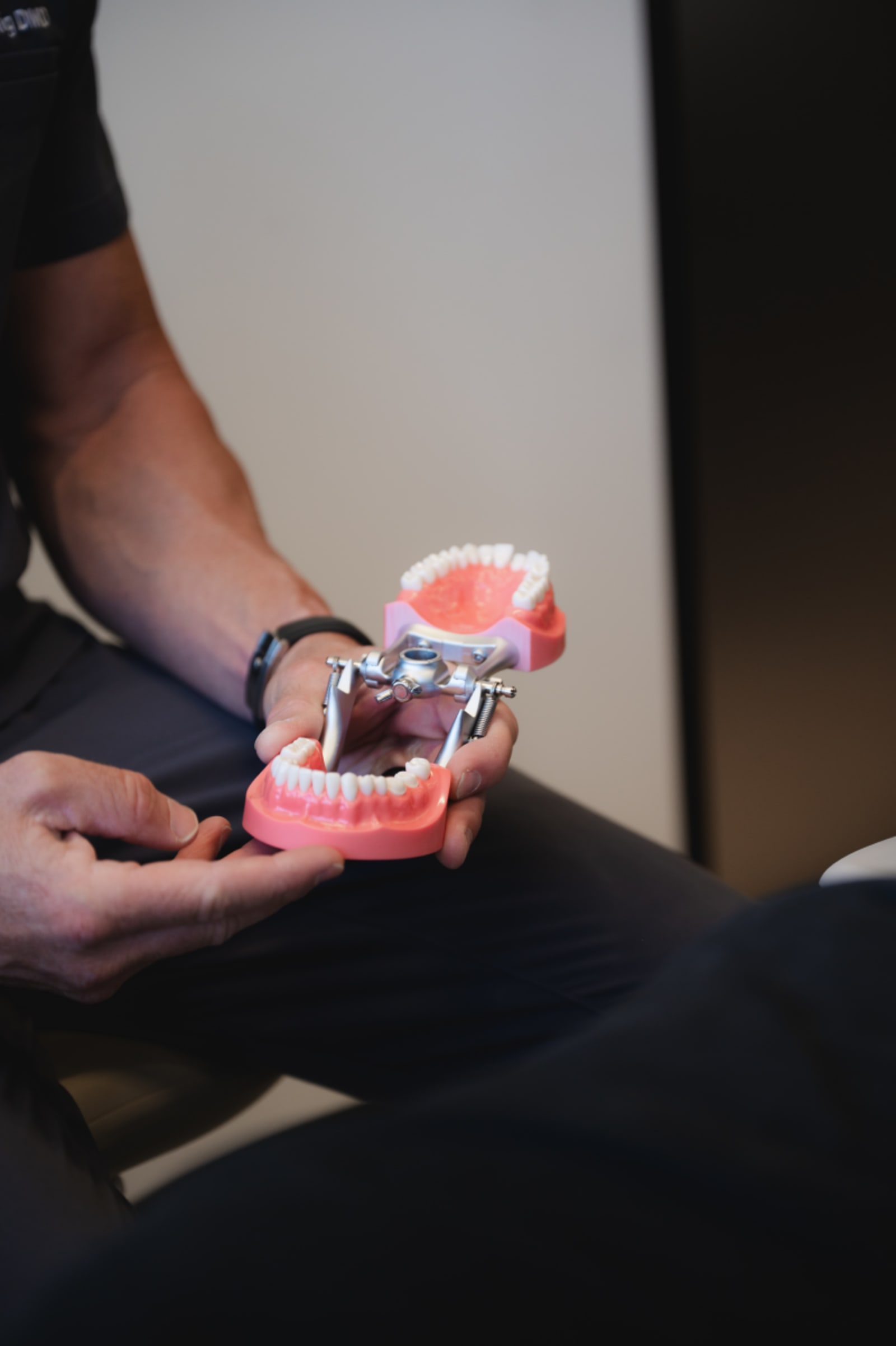
Immediately after implant placement, your body begins its natural healing response. As the anesthetic wears off, you may notice tenderness, minor bleeding or blood-tinged saliva, and some swelling around the surgical area. During the first day, your priority is to protect the surgical site and allow early healing to begin.
Your postoperative instructions may include:
- Rest and avoid strenuous physical activity.
- Choose soft, cool, or lukewarm foods that require minimal chewing.
- Avoid chewing directly over the surgical area.
- Keep your head slightly elevated while resting, if recommended.
- Take medications exactly as directed.
- Avoid vigorous rinsing, forceful spitting, and drinking through straws if instructed.
- Avoid smoking and other tobacco products.
You may also be advised to apply a cold compress intermittently to help manage swelling. Because every procedure is different, always follow your dentist's specific postoperative instructions.
Days 2 and 3: Managing Swelling and Tenderness
Swelling often becomes more noticeable during the first two to three days after surgery. This is part of the body's normal inflammatory response and does not necessarily indicate a complication.
You may experience:
- Tenderness around the implant site
- Mild to moderate facial swelling
- Minor bruising
- Temporary difficulty chewing comfortably
- Sensitivity in the surrounding gum tissue
The extent of these symptoms depends on the number of implants placed, whether an extraction or bone graft was performed, and your individual healing response. Continue following your postoperative instructions and avoid placing unnecessary pressure on the area.
What Should You Eat?
Soft foods can make early recovery more comfortable while helping protect the surgical site. Depending on your dentist's recommendations, suitable choices may include:
- Yogurt and applesauce
- Scrambled eggs
- Mashed potatoes and oatmeal
- Soft pasta
- Well-cooked vegetables
- Lukewarm soups
Avoid hard, crunchy, sticky, or difficult-to-chew foods. Very hot foods and beverages may also need to be avoided initially. If you have a temporary restoration, additional dietary restrictions may apply while the implant heals.
Days 4 Through 7: Gradually Returning to Your Routine
As the first week progresses, many patients notice that swelling and tenderness begin to subside. Eating and sleeping may become more comfortable, and everyday activities often feel easier.
However, feeling better does not mean healing is complete. Your gum tissue is still recovering, while the surrounding bone is beginning the longer process of integrating with the implant.
Can You Return to Work?
Many patients can return to nonstrenuous work relatively soon after straightforward implant placement. Your timeline will depend on the extent of surgery, your job requirements, whether sedation was used, and how you're feeling.
If your work involves heavy lifting or significant physical activity, additional recovery time or temporary modifications may be recommended.
When Can You Exercise Again?
Gentle movement may be appropriate relatively early in recovery, but strenuous exercise and heavy lifting can contribute to postoperative bleeding or swelling. Your dentist will help you determine when to resume more demanding activities based on your procedure and healing progress.
What If You Have Stitches?
Your dentist may use dissolvable or non-dissolvable sutures, depending on the surgical technique. If removal is necessary, we'll arrange an appropriate follow-up appointment. Avoid pulling, cutting, or attempting to remove sutures yourself.
Weeks 2 Through 4: Continued Gum Healing
By the second week, many patients feel substantially more comfortable, particularly after uncomplicated implant placement. The gum tissue continues healing around the surgical site, although the timeline varies.
If you received multiple implants, underwent bone grafting, or had additional procedures performed, your recovery instructions may differ.
Continue protecting the implant from excessive pressure and maintaining good oral hygiene, following any restrictions your dentist has provided for cleaning around the surgical area.
Even when your gums appear healed, the implant may not yet be ready to support normal chewing forces. That depends on the biological healing taking place within the surrounding jawbone.
Months 1 Through 6: Understanding Osseointegration
Once the initial surgical discomfort has resolved, much of the remaining healing happens beneath the gumline.
This process, called osseointegration, occurs as the surrounding jawbone develops a direct connection with the implant surface. It establishes the stable foundation needed to support a crown, bridge, or other appropriate restoration.
How Long Does Osseointegration Take?
Bone integration commonly takes several months, with approximately three to six months serving as a general timeframe for many cases. However, healing varies depending on:
- The location of the implant
- Available bone density and quality
- Initial implant stability
- Whether bone grafting was performed
- Your medical history and individual healing response
- The type of restoration being planned
Some patients may receive a temporary restoration earlier when clinical conditions permit. Others require additional healing before proceeding with their final restoration.
Your dentist will monitor your progress and determine the appropriate timing for the next stage of treatment.
Why Does My Implant Feel Fine If It's Still Healing?
One of the most important things to understand about implant recovery is that comfort returns much sooner than complete bone integration.
Your gums may feel normal while the jawbone is still developing its connection with the implant. You generally cannot feel osseointegration taking place, so the absence of discomfort does not independently confirm that your implant is ready for its final crown.
What Can Affect Dental Implant Healing?
Several factors can influence how well your body heals after implant surgery. Some involve your overall health, while others relate to the habits and precautions that help protect the implant during recovery.
Smoking and Tobacco Use
Smoking can impair wound healing and increase the risk of implant complications by affecting blood flow and the surrounding tissues. If you smoke or use nicotine products, let your dentist know so you can discuss appropriate precautions before and after treatment.
Alcohol Consumption
Alcohol may interfere with postoperative recovery, particularly when combined with certain prescribed medications. Follow your dental team's guidance on whether to avoid alcohol and when it is appropriate to resume drinking.
Excessive Pressure on the Implant
Chewing directly over a healing implant can place unnecessary stress on the area, especially if a temporary restoration is present. Avoid using the implant to bite into hard or difficult-to-chew foods until you've been cleared to do so.
Oral Hygiene
Keeping your mouth clean supports healthy healing, but the surgical site requires a gentle approach initially. Avoid aggressive brushing or disturbing the surrounding tissues. Your dental team will explain when to resume cleaning around the implant and whether a prescribed rinse or additional hygiene aids are recommended.
Medical Conditions and Medications
Certain health conditions and medications can affect healing or require additional monitoring. Keep your dentist informed of your complete medical history, including prescription medications, supplements, and any changes to your health, so your recovery instructions can be tailored to your needs.
Follow-Up Appointments: What Is Your Dentist Checking?
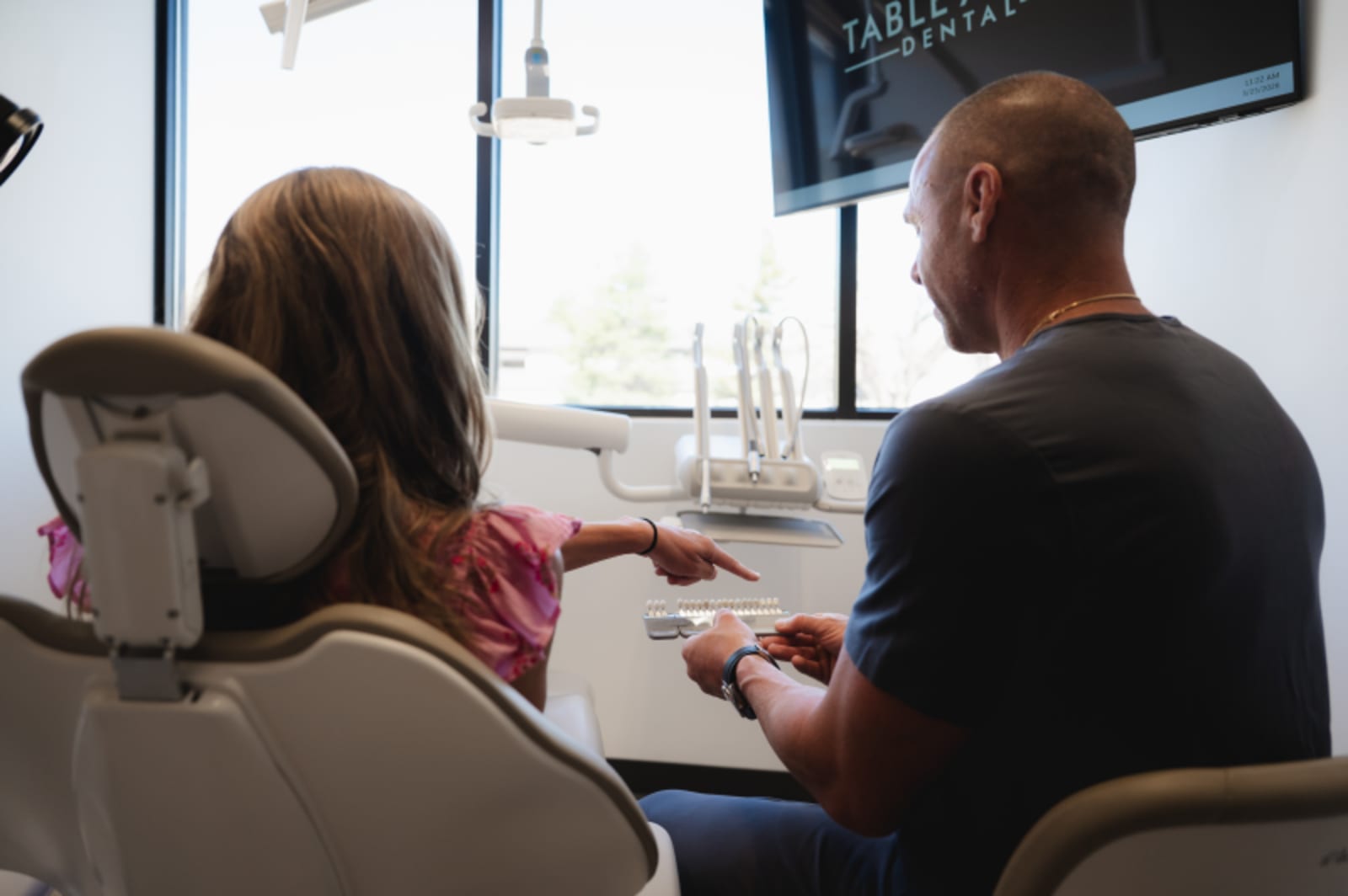
Follow-up visits allow your dental team to monitor healing, identify potential concerns, and determine when it's appropriate to proceed with the next stage of treatment.
Early Healing Appointments
During your initial follow-up, your dentist may evaluate:
- The appearance and condition of the gum tissue
- Swelling, tenderness, or signs of infection
- The condition of any sutures
- How well the surgical area is healing
- Whether your home care instructions need to be adjusted
Additional appointments may be necessary depending on the complexity of your procedure.
Evaluating Implant Stability
As healing progresses, your dentist will assess whether the implant is ready for restoration. The evaluation may involve a clinical examination, appropriate imaging, or other methods of assessing implant stability when indicated. Your dentist will also consider the surrounding tissues and the requirements of your planned restoration.
Placing the Final Crown
Once the implant is ready, the restorative phase can begin. For a single missing tooth, this generally involves connecting an abutment and placing a custom crown designed to complement your surrounding teeth. Your dentist will evaluate the restoration's fit, appearance, bite, and accessibility for cleaning.
The timing and sequence may differ for implant-supported bridges, removable dentures, and full-arch restorations.
Warning Signs: When Should You Call Your Dentist?
Although some swelling, tenderness, and minor bleeding are expected after implant surgery, symptoms should generally improve as recovery progresses.
Contact us if you experience:
- Pain that becomes increasingly severe rather than gradually improving
- Swelling that continues to worsen or returns after initially subsiding
- Persistent or excessive bleeding
- Fever or other symptoms suggesting an infection
- Unusual discharge from the surgical area
- A persistent unpleasant taste or odor associated with the implant site
- A temporary restoration or implant component that feels loose
These symptoms do not automatically mean an implant has failed, but they deserve prompt evaluation. Seek urgent medical attention if you develop severe swelling accompanied by difficulty breathing or swallowing.
Frequently Asked Questions
Can I go to work the day after getting a dental implant?
Some patients can return to nonstrenuous work relatively soon after straightforward placement, but others benefit from additional recovery time. The type of procedure, your job requirements, medications, and any sedation used should all be considered.
When can I eat normally after implant surgery?
Your diet should progress according to your dentist's instructions. Soft foods are generally recommended during early recovery, and harder foods may need to be avoided for longer, particularly if they could place pressure on the healing implant or a temporary restoration. Feeling comfortable does not necessarily mean the implant is ready for unrestricted chewing.
Is swelling normal after dental implant placement?
Yes. Some swelling is a normal postoperative response and may become more noticeable during the first two to three days. It should generally begin improving afterward. Contact your dentist if swelling becomes progressively worse, is accompanied by fever, or raises other concerns.
Can a dental implant fail during healing?
Yes. Although dental implants have a strong record of successful treatment, complications can occur during healing or after restoration. Factors such as infection, impaired healing, insufficient integration, and excessive mechanical forces may contribute. Following postoperative instructions and attending follow-up visits helps your dentist monitor healing and address concerns promptly.
Recover With Confidence at Table Mesa Dental in Boulder

Dental implant recovery is a gradual process, and knowing what to expect can help you feel more prepared at every stage. While the initial discomfort often improves relatively quickly, the months that follow allow your jawbone to establish the support needed for your final restoration. Protecting the surgical area, maintaining appropriate oral hygiene, and keeping your follow-up appointments all contribute to a healthier recovery.
At Table Mesa Dental, Dr. Ryan Koenig and our team provide individualized guidance throughout the implant process, from your initial consultation through healing and long-term maintenance.
Whether you're preparing for implant placement or have questions about your current recovery, we're here to help. Call us at (303) 590-3992 or contact Table Mesa Dental online to speak with our Boulder dental team.
Share
Your Story