Dental Inlays and Onlays
Dental Inlays and Onlays in Boulder, CO
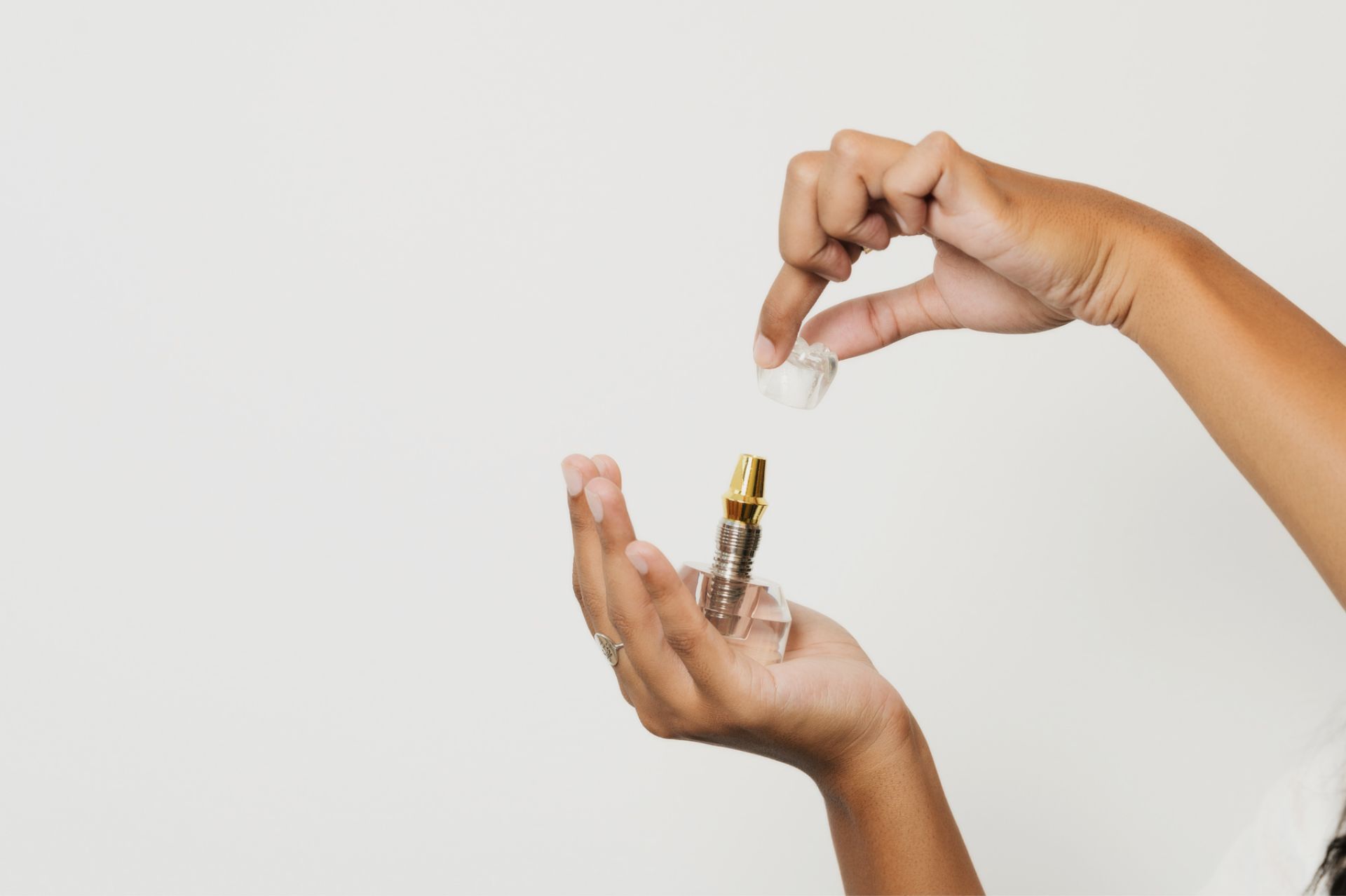
When a back tooth is too broken down for a routine filling but still has plenty of healthy structure left, an inlay or onlay is usually the smartest way to fix it. Dr. K and the team at Table Mesa Dental design these custom porcelain restorations right here in our South Broadway office, using the same CEREC milling and scanning technology behind our same-day crowns. Most patients walk out the same day with the tooth rebuilt, more of their own enamel intact, and a repair that blends in so well you'd have to hunt for it.
If someone has told you that tooth needs a crown and you're wondering whether something less involved would hold up, call us at (303) 590-3992. We'd rather look at the tooth first and tell you what we actually see.
Quick Takeaways
- They live between a filling and a crown. An inlay fills the grooves on the chewing surface. An onlay wraps over one or more of the pointed cusps.
- One visit is the norm here. We scan, design, and craft the restoration in our own office, so there's no temporary phase and no second appointment for most teeth.
- Ask how much tooth is left. That single question usually settles whether you need an inlay, an onlay, or a full crown.
- Comfort gets planned in advance. Local anesthesia handles the appointment itself, and nitrous oxide, oral conscious sedation, and IV sedation are all available.
- The first step is small. A quick exam and a digital scan tell us what the tooth needs, and you'll see the plan and the numbers before anything begins.
How It Works
Four steps, and for most teeth all four happen in a single appointment.
1. We numb the tooth and clear out the damage
The area gets fully numb first. Then we remove the decay or the old, failing filling and gently shape what remains so the new restoration seats precisely. If dental work makes you tense up just reading about it, tell us ahead of time and we'll build comfort into the plan.
2. A digital scan, not a mouthful of putty
We capture the tooth with a digital scanner. No goopy impression trays, no gagging, no holding still while material sets. The scan becomes a 3D model accurate down to fine detail, which is why the finished fit ends up so tight.
3. We design and craft it in-house
From that model, we design your inlay or onlay to match your bite and the shade of the neighboring teeth, then mill or print it here with our CEREC system. This is the part that saves you a return trip, and you're not going home with a temporary that pops off at dinner.
4. We bond it in and check your bite
The finished piece is bonded to the tooth, then adjusted and polished until your bite feels like your bite again. You'll tap your teeth together a few times and tell us how it lands. We'd rather spend the extra minutes now than have you notice something off next week.
Why Patients Choose Inlays and Onlays
- More of your own tooth stays put. A crown covers the whole tooth. An inlay or onlay replaces only the damaged part.
- Real chewing strength. Porcelain and ceramic handle back-tooth pressure better than a very large filling, which flexes over the years and can crack the tooth around it.
- It disappears. Shade-matched and bonded at the edges, so there's no dark line or silver flash when you laugh.
- Long service life. With solid home care and regular checkups, these restorations commonly last 10 to 15 years or more.
- One appointment instead of two. One round of numbing, one afternoon rearranged, done.
- Easier to keep clean. A precisely bonded margin leaves fewer gaps where plaque likes to settle.
Who's a Good Candidate
Inlays and onlays occupy a specific middle ground, and the tooth itself decides. You're likely a good fit if you have a cracked back tooth, decay that has outgrown its old filling, a large silver filling breaking down at the edges, or a chipped cusp on a tooth that's otherwise solid underneath.
They aren't right for every tooth, and we'll say so when they aren't. If decay reaches deep, if much of the structure is already gone, or if the tooth has had a root canal, a full crown protects it better. Small cavities do fine with a straightforward filling. Active gum disease or untreated decay elsewhere gets handled first, because a beautiful restoration bonded into an unhealthy mouth isn't a favor to anyone. Grinding at night doesn't disqualify you, though expect us to bring up a nightguard.
Timeline: What to Expect
Exam and digital scan
Either a short visit of its own or the front end of your treatment appointment. This is where we confirm that an inlay or onlay is the right call for that tooth rather than a filling or a full crown.
The treatment appointment
Roughly one to two hours, depending on the size of the repair and which tooth it's on. Most of that time you're simply sitting while we prepare the tooth and the restoration is made. If sitting still that long is the hard part for you, mention it when you book.
Leaving the same day
You go home with the permanent restoration bonded in place. No temporary, no second numbing, no waiting on a lab.
The first few days
Mild sensitivity to cold or pressure is common and usually fades quickly as the tooth settles in.
Follow-up
Most people never need one. If the bite feels high or something catches when you chew, let us know and we'll make a quick adjustment.
Preparation and Aftercare
Before your appointment
Eat something first, since you'll be numb for a while afterward. Bring your insurance information and a list of any medications you take. If dental visits make you anxious, tell us when you schedule rather than when you're already in the chair; that gives us time to arrange nitrous oxide or talk through deeper sedation. Headphones are welcome if music helps you settle.
After it's placed
The restoration is bonded and fully cured before you leave, so there's no waiting period for cement to harden. Just hold off on eating until the numbness wears off so you don't bite your cheek. From there, treat it like the rest of your teeth: brush twice a day, floss around the margins daily, keep your cleanings on schedule. Skip ice and hard candy, and wear your nightguard if you grind. Porcelain is strong, not indestructible.
Cost and Payment
Cost depends on the size of the restoration, which tooth it's on, the material we use, and what your dental plan covers. Many plans classify inlays and onlays as major restorative work, which often means partial coverage after your deductible, but plans differ far too much for us to guess at your number.
So we don't guess. Before we begin, we walk through what the tooth needs, what it costs, and what we expect your benefits to pick up, alternatives included. If the tooth has lost too much structure and a crown really is the better answer, you'll see both options side by side with the numbers attached. We accept many dental insurance plans and also offer an in-house membership plan, and our team will go over payment specifics with you before treatment. If money is the thing keeping you from a tooth that needs attention, tell us early. We'd much rather solve that together than watch a fixable tooth turn into a bigger problem.
Why Table Mesa Dental
Same-day restorative work only feels effortless when the technology and the training are both in place. Ours sit under one roof: CEREC milling, 3D printing, cone beam imaging, and digital scanning, run by a team that uses them every single day.
Dr. Ryan Koenig, DMD brings more than two decades of dentistry to these cases, with over 1,000 hours of continuing education and advanced training in implants, oral surgery, IV sedation, and full-mouth reconstruction. That range is exactly why he can tell you plainly when a conservative repair is the right choice and when it isn't. His patients call him Dr. K.
The rest is culture. We built this team around how you feel in the chair, not only what got fixed by the time you stand up. Families from South Boulder, across Boulder County, and around the greater Front Range keep coming back because the care here is calm, modern, and genuinely human.
Inlay, Onlay, Filling, or Crown?
Four repairs, four different amounts of tooth involved. Knowing where yours falls makes the whole conversation easier.
A filling
Best for small to moderate cavities. Quick and economical, right up until the cavity gets wide enough that the remaining tooth walls start to flex around it.
An inlay
A custom porcelain piece that fits inside the grooves of the chewing surface. The pointed cusps stay untouched, which preserves the tooth's natural strength.
An onlay
The same idea, extended over one or more cusps. Ideal when a cusp has chipped or cracked but the core of the tooth is still healthy. You'll sometimes hear it called a partial crown.
A crown
Full coverage over the entire tooth. The right choice after a root canal, or when so much structure is gone that a partial repair has nothing solid to bond to. We make crowns same-day as well, so choosing one doesn't cost you extra visits.
Frequently Asked Questions
Does getting an inlay or onlay hurt?
Not during the procedure. The tooth is numbed with local anesthesia, so you shouldn't feel the work itself. Afterward, mild soreness or sensitivity for a day or two is normal and usually responds to over-the-counter pain relief. If the appointment itself worries you more than the tooth, sedation is available and we're glad to talk it through in advance.
What's the difference between an inlay and an onlay?
How much of the tooth they cover. An inlay sits inside the grooves on the chewing surface and leaves the pointed cusps alone. An onlay extends over one or more of those cusps. Both are custom-made for damage that's too big for a filling but doesn't call for full coverage.
Can it really be done in one appointment?
For most teeth, yes. Because we scan, design, and craft the restoration in our own office, there's no shipping delay and no temporary phase. If a case is unusually complex, you'll hear that from us upfront rather than after you're in the chair.
How long do they last?
Commonly 10 to 15 years or more with good home care and regular checkups. When one fails early, the culprit is usually grinding, chewing very hard things, or new decay starting at the edges. That's why we bring up nightguards and why your cleaning schedule matters.
Will anyone be able to tell?
Porcelain and ceramic are shade-matched to the teeth around them and bonded so the edges blend. Once it's polished, it reads as tooth, not repair.
My old silver filling is huge. Should I replace it with an onlay?
Possibly. Large old fillings can leave the surrounding tooth walls thin and prone to cracking, and an onlay rebuilds that strength. Whether yours needs attention now or just careful monitoring depends on what we see on the exam and the images, and if waiting is the reasonable option, that's what we'll tell you.
Let's Take a Look at That Tooth
A cracked or worn-down back tooth won't heal on its own, and it's much easier to repair while there's still healthy tooth to work with. Come in and we'll show you exactly what we see, then lay out your options in plain language with the costs attached. Sometimes that's an onlay in a single visit. Sometimes it's a crown. Either way, you'll know why before we pick up an instrument.
Call Table Mesa Dental at (303) 590-3992 and we'll find you a time that works. We're at 603 South Broadway in Boulder, open Monday through Thursday 8 to 4 and Friday 8 to 2.
Share
Your Story