Preventative Dental Care

Preventative Dental Care in Boulder, CO
Preventative care keeps small problems from becoming big ones: a professional cleaning, a careful exam, images when they're actually needed, and a clear plan for what to watch at home. Dr. K and the team at Table Mesa Dental use these visits to spot early decay, gum inflammation, grinding wear, and hairline cracks while they're still simple to handle. Catching a cracked tooth early often means a filling instead of a same-day crown. For most adults, that means a cleaning and exam every six months.
We care for families across south Boulder, Boulder County, and the Front Range, and nobody gets lectured here for being years overdue. If nerves are what kept you away, ask us about sedation options before your visit. Call us at (303) 590-3992 or request an appointment, and we'll find you a time.
Quick Takeaways
- Plan on about an hour. A hygiene visit covers cleaning, polishing, an exam with Dr. K, and time for your questions.
- Twice a year fits most people, but gum disease, dry mouth, grinding, or a recent run of cavities can move you to a three or four month rhythm.
- Ask about your gum measurements. Those small numbers your hygienist calls out describe how firmly your gums are still attached to your teeth. Ask what yours mean and we'll explain them, along with any gum disease treatment that might help.
- Mention grinding, clenching, or a sore jaw in the morning. A custom night guard is far less involved than repairing cracked teeth later.
- Tell us if dental visits make you anxious when you book, not after you're in the chair. We'll plan around it, including sedation options if that would help.
How a Preventative Visit Works
1. We talk first
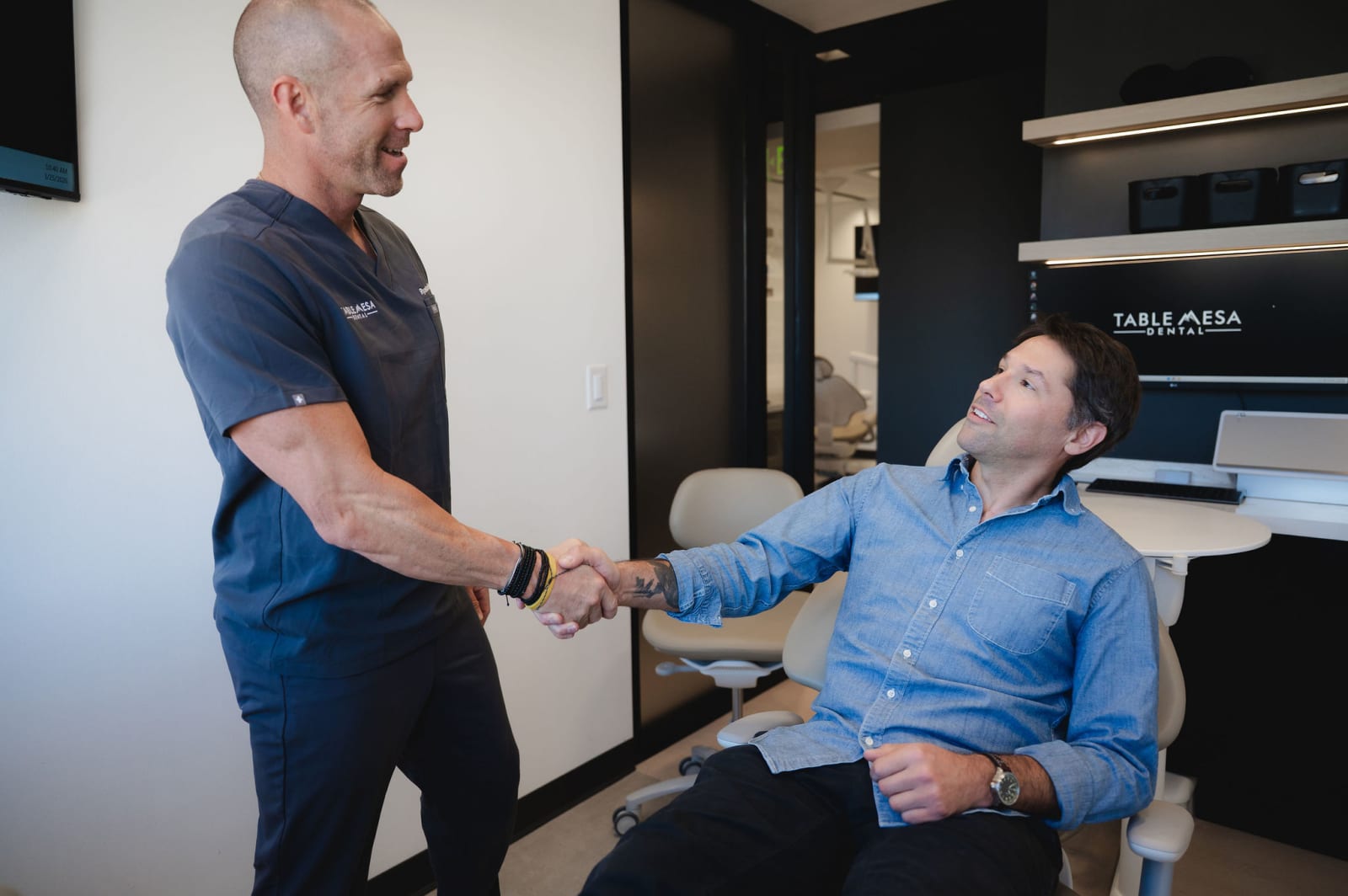
Before anything touches your teeth, we ask what's changed: new medications, a sensitive spot, a tooth that feels different when you bite down. This is also where you tell us you're nervous, which shapes everything that follows, including whether nitrous oxide or another comfort option would make the hour easier.
2. Images, only where they earn their keep
Digital X-rays and, when the situation calls for it, our cone beam scanner show what no one can see by looking: decay squeezed between teeth, bone levels around the roots, trouble developing under the surface. We take what's needed to see clearly, not a full set out of habit.
3. The cleaning
Your hygienist clears plaque and hardened tartar above and below the gumline, measures the pockets around each tooth to gauge gum health, then polishes and flosses. Tender gums are common and easy to work around; say something and we'll ease off, slow down, or use a topical numbing gel. If those measurements point to something more than irritation, we'll talk about gum disease treatment and what it would involve.
4. Dr. K's exam
He goes tooth by tooth, checks existing fillings and crowns, reads your gums, screens your head, neck, and soft tissues for anything that shouldn't be there, and looks at how your teeth are wearing against each other. That last part catches grinding long before you'd notice it.
5. Fluoride, sealants, and the plan
We finish with fluoride if it fits your risk, place sealants in deep molar grooves where cavities like to start, then tell you plainly what we found. If a tooth needs real repair, we'll explain the options, from a filling to a same-day crown. If nothing needs doing, you'll hear that too, and you'll be on your way.
What Regular Preventative Care Actually Gets You
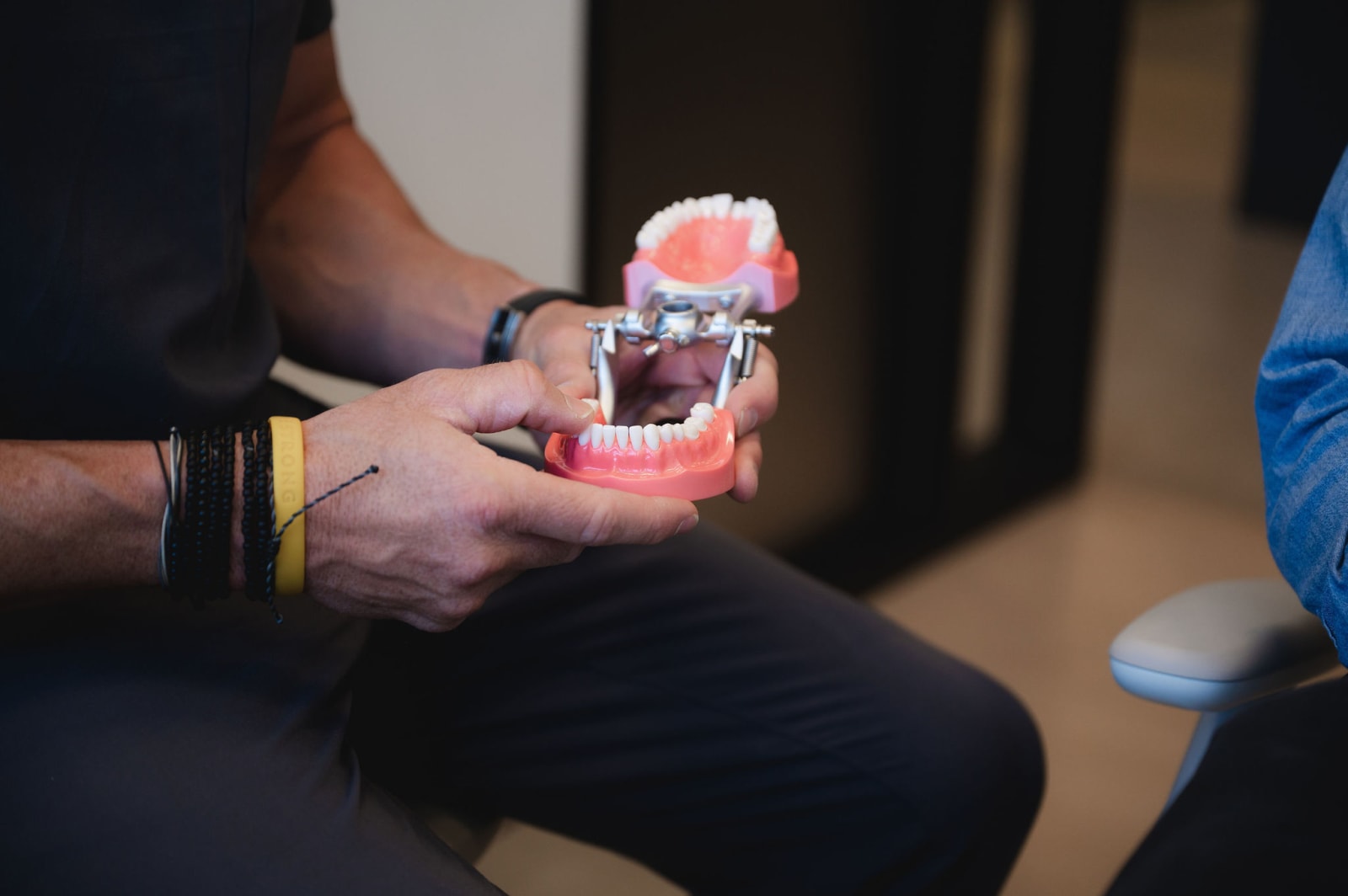
- Cavities caught while they're still small. A pinpoint of decay is a quick filling. Left for a couple of years, the same tooth can need a crown or a root canal.
- Gums that keep holding your teeth in place. Gum disease is a leading cause of adult tooth loss, and its earliest stage responds well to cleanings and better habits at home. Further along, gum disease treatment gets things back under control.
- Protection from wear you can't feel. Grinding flattens and chips enamel silently. Spotting the pattern early means a night guard instead of rebuilding worn teeth.
- Fresher breath, less sensitivity. Both often trace back to tartar and inflamed gums, and both usually improve after a thorough cleaning.
- An oral cancer screening every time. Checking your tongue, cheeks, palate, and throat tissue is part of the exam, not an add-on.
- Kids who grow up unbothered by the dentist. Children who find these visits normal tend to keep coming as adults, with habits already in place. Our pediatric dentistry visits are built around exactly that.
- Less spent over a lifetime. Two cleanings a year quietly prevent the expensive appointments.
Who Preventative Care Is For
Everyone with teeth. The schedule and the details are what change:
- Kids and teens, especially once permanent molars arrive and sealants become useful. Regular pediatric dentistry visits let us follow spacing and eruption while there's still room to guide things.
- Anyone with a history of gum disease, who usually does better on a three or four month cleaning schedule.
- People with dry mouth from medications or a medical condition, since saliva is one of your natural defenses against decay.
- Athletes, who benefit from a custom mouthguard instead of a boil-and-bite version that shifts mid-game.
- Grinders and clenchers, often the folks waking up with a tight jaw or a dull morning headache.
- Adults who've been away a long while. Five years or fifteen, we start with what's most urgent.
One caveat: if your gums bleed heavily, feel loose, or your pocket depths come back deep, a routine cleaning won't fix it. That calls for gum disease treatment, a more thorough cleaning below the gumline, before a six-month rhythm makes sense again. And if fear is what's kept you away, sedation is available here, from nitrous oxide up through IV sedation with Dr. K.
Timeline and What to Expect
A standard cleaning and exam runs roughly 45 to 60 minutes in one visit. Your first appointment usually takes a little longer, since we're gathering history and images from scratch.
If the exam turns up something, we'll walk you through it before you leave and schedule that work separately. Fillings and sealants are typically quick, single-visit appointments and a routine part of our general dentistry and pediatric dentistry care. Custom night guards and sports mouthguards involve a digital scan and a short fitting visit. If nerves are what's kept you away, we can talk through sedation options first. Most people settle into two visits a year, about six months apart, and we track when you're due so you don't have to. Just reach out when you're ready to get on the schedule.
Before and After Your Visit
Getting ready
Not much is required. Brush and floss as usual, and bring your medication list and insurance information if you have coverage. Jot down anything you've been meaning to ask, including questions about how your smile looks. Whitening, veneers, or straightening options are all fair game. If anxiety is the hurdle, tell us when you book your appointment so we can build in extra time and comfort options, including sedation dentistry.
Keeping it going at home
Your gums may feel tender for a day after a deep clean. If you had fluoride, we'll tell you how long to wait before eating. After that it's the basics: brush twice a day for two minutes with fluoride toothpaste, clean between your teeth daily, drink water, and skip the all-afternoon sugary or acidic sipping. Got a night guard? Wear it, and rinse it every morning. Consistency is what makes preventive care work. It keeps small issues from turning into bigger ones.
Cost and Insurance
Preventative visits sit at the affordable end of dentistry, and most dental plans cover cleanings and exams at a higher percentage than anything else, frequently in full. We accept many dental insurance plans and verify your benefits before your appointment so the numbers aren't a mystery when you arrive.
What you actually pay depends on your plan, whether images were needed, and whether you added something like sealants or a custom night guard. If you don't have insurance, ask about our in-house membership plan, built around routine preventative care. Give our Boulder office a call or look through our new patient information before you come in.
Why Families Choose Table Mesa Dental

Dr. K has practiced for more than two decades and carries over 1,000 hours of continuing education into a routine hygiene visit. That mostly shows up as judgment: knowing what to watch, what to treat now, and what to leave alone. His training runs deep into implants, oral surgery, sedation, and full-mouth reconstruction, so if an exam does find something significant, you're not being sent across town to a stranger.
Comfort gets the same attention as the clinical work. Nitrous oxide, oral sedation, and IV sedation are all available here, which matters for people whose fear has been the real obstacle. CEREC for same-day crowns, 3D printing, and cone beam imaging mean fewer appointments and less guesswork. Kids, teens, and adults are all treated under one roof on South Broadway, so a family can share a single morning instead of driving to three offices.
Mostly, though, our team is why people stay. We're an easy-going group in south Boulder that would rather hear about your dog and your last hike than talk at you about flossing.
Frequently Asked Questions
How often do adults really need a cleaning?
Every six months suits most adults. With a history of gum disease, deeper pocket measurements, dry mouth, or a recent pattern of cavities, three to four months is the better call. We base your schedule on what's happening in your mouth, not a blanket rule.
I haven't been to a dentist in years. Will I get a lecture?
No. Many of our patients arrive after long gaps, and shaming them would be unkind and useless. We get a clear picture of where things stand, tell you what we see, and sort out what matters most first. If nerves kept you away, ask us about sedation options.
Are dental X-rays safe, and do they hurt?
They don't hurt, and digital X-rays use a very low dose of radiation. We take them when there's a clinical reason, because two of the most damaging problems, decay between teeth and bone loss around the roots, don't show up in a visual exam.
My teeth feel fine. Do I still need to come in?
Yes. Cavities and gum disease are usually painless until they're advanced, and by the time something hurts, the easy fix has often passed. Regular exams exist to find problems before they announce themselves.
Are sealants worth it for my child?
For most kids, yes. A sealant is a thin protective coating painted into the deep grooves of the back molars, where toothbrush bristles struggle to reach. It's quick, painless, and it cuts cavities during the years children are most prone to them. It's one piece of our pediatric dentistry care.
Can a routine visit do anything about teeth grinding?
It's one of the more valuable things these exams catch. Grinding leaves a distinctive wear pattern we can often see before you've felt any symptoms, and a custom night guard protects your enamel from that point forward.
Come See Us
Preventative care isn't complicated. Come in twice a year, let us keep an eye on things, and most of the difficult, expensive dentistry never has to happen at all. If you're overdue for a cleaning and exam, or you're looking for one practice that can look after the whole family, including the kids, we'd love to meet you.
Call Table Mesa Dental at (303) 590-3992 or request an appointment online. We're on South Broadway in south Boulder, open Monday through Thursday from 8:00 am to 4:00 pm and Friday until 2:00 pm.
Share
Your Story